
Development of Management System to Efficiently Solve the Scale Formation Problem ESP SPD
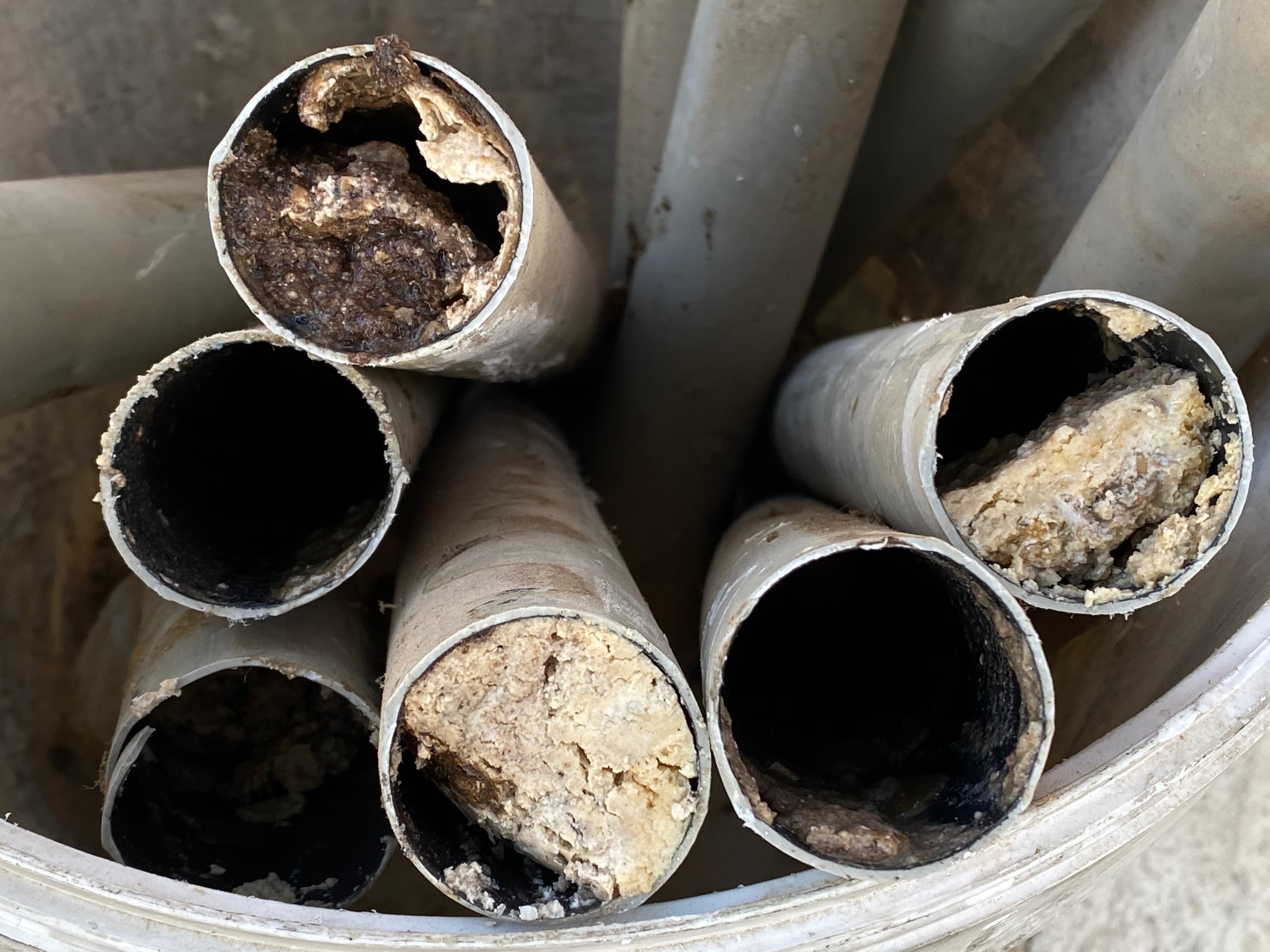
Increase of water cut through the production life of ESP wells at 3 oilfields has led to the increased amount of precipitated calcium carbonate, resulting in ESP frequent failures. CMSProdex was invited to address the issue. The scope of work included the develop and implementation of a scale management system to mitigate CaCO₃ scaling threat, thereby reducing ESP failures to achieve target oil production rate and ESPs run life. The developed Management system comprised 3 phases: Phase I - Risk assessment, Phase II - Creation of proactive management strategy and Phase III - Monitoring, validation and optimization Following the implementation of the management system, substantial improvement was observed, with the number of ESP failures due to CaCO₃ deposition significantly reduced.
Project background
Facts
- Oil production originated from 3 oil fields
- Waterflooding project was in progress
- Over the history of scale inhibitor application, several phosphonate-based inhibitors were applied with varying effectiveness
- Extensive monitoring program was carried out and included: oil production, ESP failure frequency and causes, ESP operational parameters, analysis of deposit found in different stages of the ESP, residual inhibitor concentration and water chemistry
- Four types of dosing systems were applied: individual dosing units, well pad chemical dosing units for several wells, submersible containers filled with scale inhibitor and filling well bottom with microencapsulated chemical during well workover operations.

Challenge
- Planned oil production was not achieved
- Target ESP run life was not achieved
- ESP failure report noted: 29% of all ESP failures were caused by deposition of CaCO₃
- ESP failures due to CaCO₃ even in low water cut wells (WC less than 10%vol), too.
Solution
CMSProdex was invited to recommend a solution for the challenges. The following were analysed: changes in reservoir and production conditions (Fluid flow rates and ratios, temperature and pressure, injection water breakthrough); quality of workover operations; ESP design; manufacturing quality of ESP components; applied chemicals (Chemistry, dosing method and rates); water and deposit chemistry, and other relevant factors.
The first observation was that, despite the implementation of extensive monitoring program, results regarding scale control were poor. Many independent groups and individuals were working on the challenge without exchanging experience, knowledge or data – there was no coordination between the groups. Additionally, the selection of scale inhibitors was not based on a proper qualification procedure; and optimization of chemical consumption was not properlly executed. The bottom line: no firm, consistent scale management system existed.
The approach of CMSProdex was to develop a robust management system which included: Phase I - Risk Assessment, Phase II - Creation of Proactive Management Strategy and Phase III - Monitoring, Validation and Optimization. The risk assessment phase involved: data gathering to accumulate all relevant data to understand the challenge, scale prediction (probability and severity of scale formation), quantification the scaling threat under static and flowing conditions, and recommendations based on the threat using Water Chemistry Model – Modul Scale.
Results and Impact
The CMSProdex`s analysis revealed the following: inappropriate inhibitor selection in general; frequently: improper treatment - over- or under-treatment; incorrect location of the injection points; poor mixing of scale inhibitor with produced fluid; inhibitor thermal degradation; failures of chemical injection lines resulting in inappropriate dosing rate; low workover quality, incompatibility of WO fluids, and inappropriate material selection of ESP components. The analysis also showed that not all deposits initially classified as CaCO₃ were predominantly composed of CaCO₃. The deposits additionally contained corrosion products, scale inhibitor residues complexed with formation water ions, as well as sand and clay. Furthermore, acid treatments using HCl, which were applied in wells declared to suffer from CaCO₃ deposits, were largely ineffective.
In contrast to the “rule-of-thumb” empirical approach, the presented Management System offered a systematic and quantitative method to evaluate and improve / optimize scale inhibitor downhole treatment, with the goal of extending ESP run life. The recommended dosing strategy and monitoring program were based on the types of dosing units installed in the Company’s facilities.
Lessons Learned / Key Takeaways
- Do not neglect scaling problems, do not wait for something to happen
- Detailed risk assessment is essential
- Develop an effective, efficient, reliable and economically justified management system is critical
- Investment in proper scale management delivers long-term operational and economic benefits.
Broader Significance / Sustainability
The implementation of a structured scale management system can significantly reduce equipment failures arising from the scale formation, workovers, and chemical misuse, resulting in improved operational efficiency and lower environmental impact. By minimizing unnecessary interventions and extending equipment run life, the approach supports sustainable field operations through reduced resource consumption, lower emissions associated with workovers, and optimized chemical usage.
Quick Facts
Location
Three oil fields l with high water production, located in north Siberia
Main Failure Causes
29% of all ESP failures were caused by deposition of CaCO₃
Treatment
Wells were treated with scale inhibitors using various types of dosing systems
Impact
Frequent ESP failures led to planned oil production and target ESP run life not being reached.